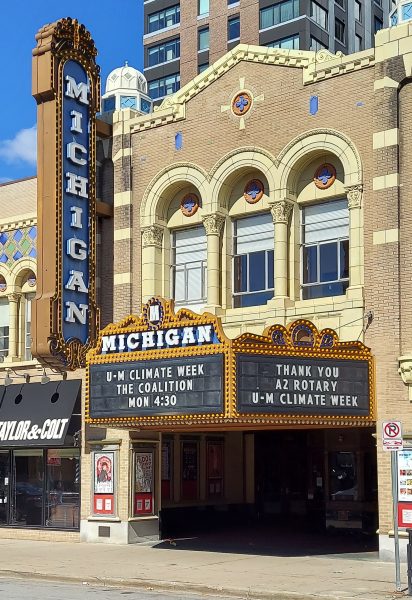
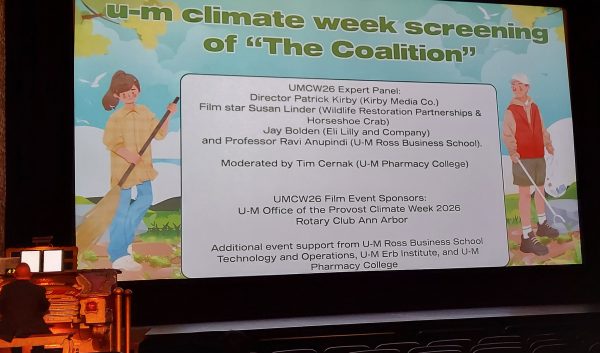
Horseshoe Crabs are threatened, and an amazing coalition developed to save them. RCAA helped tell this story. The crabs have an element in their blood that is collected to ensure the safety of intravenous injections in health care. Over-harvesting the crabs to extract blood, combined with habitat and climate changes, has put them on a path to be endangered. One thing leads to another: The decline in Horseshoe Crabs and the massive amount of eggs they lay is threatening migrating birds, who depend on those eggs as a critical protein source for their migrations. Now those birds are declining since they cannot migrate successfully.
Enter Jay Bolden, a senior biologist at Eli Lilly, and also an intrepid bird watcher. Eli Lilly has a synthetic replacement for the crab blood element and it is cheaper than harvesting the crabs. Bolden got the company to promote the synthetic to help the Horseshoe Crabs, the birds he loves, and his company. Professor Ravi Anupinda of Ross Business School explained the complexity of supply chains and how difficult it is to make changes in a relatively inexpensive element. And don’t forget the scenes of people on the beaches protesting on behalf of the otherwise unlovable Horseshoe Crabs.
It’s not the crabs, it’s the coalition. When it comes to climate change we are better together. We can’t do everything, but we can do something. Congratulations to Dennis Burke who did an amazing job pulling all this together.