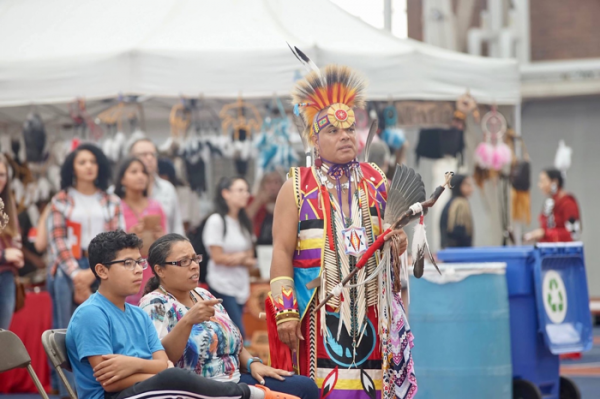
On January 23 President Greg read a Thank You note from the Association of Native Americans at Yale (ANAAY). Our Peace Committee funded one of their Fall Powwow’s primary speakers. The following letter and photos were sent to us by RCAA member Toni Gupta’s daughter Megan, a member of ANAAY.
—
To the members of the Ann Arbor Rotary Peace Committee,
 I, and the other members of the Association of Native Americans at Yale (ANAAY), am very thankful for your support of our attempts to increase conversations about peace-building and conflict resolution. On Sunday October 7th, we hosted our annual powwow to celebrate and raise awareness of indigenous culture. With your donation, we invited Assistant Professor Andrew Curley to Yale to speak about indigenous geography, natural resource rights, and tribal sovereignty. He spoke on Monday October 8th: Indigenous Peoples Day.
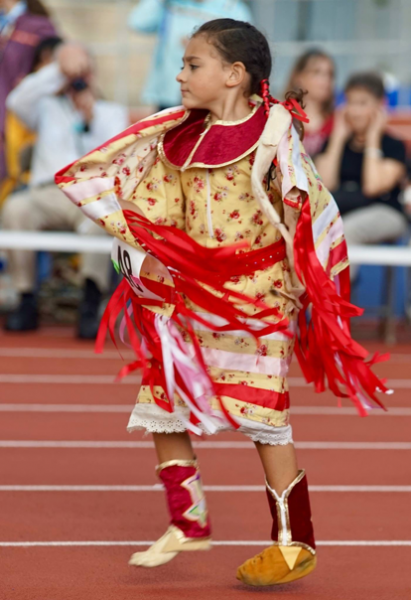 We feel that the powwow has paved the way for further conversations on peace, ethnicity, human rights, and tribal history. The powwow had no admission fee, so anyone interested in indigenous life could attend without hindrance. People could buy goods from indigenous vendors, eat traditional food, and watch every element of the powwow. Many individuals approached me and other Native students, asking about certain aspects of the powwow or other questions about indigenous life at Yale and elsewhere. The powwow allowed non-indigenous people to understand more about Native life, history, and even issues. After the powwow, we have had visitors come to the Native American Cultural Center looking to borrow books and learn more about what we do on campus. We believe that peace-building starts with understanding culture, and the powwow successfully gave many people an insight into our way of life. This has catalyzed conversations about peace and reconciliation.
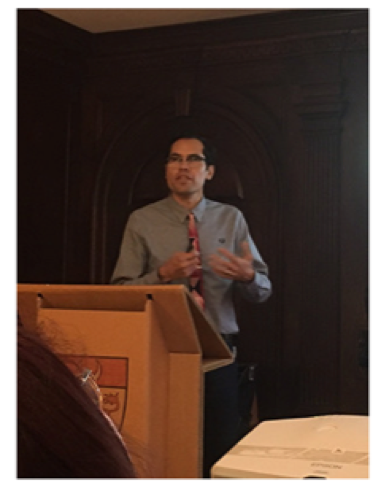
We were extremely glad to create peacebuilding conversations with guest speaker Andrew Curley. In his talk, he discussed his latest work in “indigenous geography, resource conflicts, energy water rights, land, tribal sovereignty, and Navajo studies.” This was especially helpful for our peace-making efforts, as he taught us how to have successful conversations about indigenous history and issues today. During his talk, we were able to engage with him and others in the room on indigenous issues and reconciliation methods. His messages—making sure to keep conversations open, spreading awareness of environmental and indigenous issues, and discussing conflict appropriately—were extremely helpful for members of ANAAY and the wider Yale population.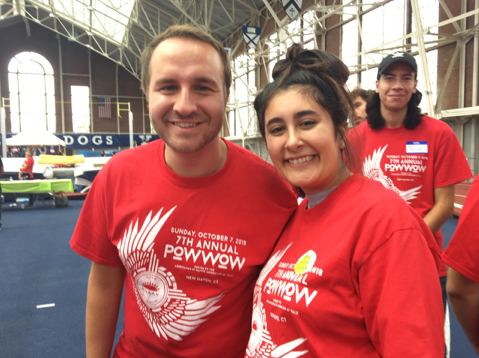
Assistant Professor Andrew Curley was very successful in encouraging the Yale community to discuss non-violent solutions to issues we face today. We are very grateful to you for the opportunity to hear him speak and share his message. We are looking forward to staying in touch and continuing our shared mission of peace-building.
Thank you,
Meghanlata Gupta